Discuss repairs and alterations to existing gates, railings and fabricated metalwork in Udaipur. Suitability depends on the condition of the original work.
Design reference · Final details agreed for your site
A project-specific approach
Discuss repairs and alterations to existing gates, railings and fabricated metalwork in Udaipur. Suitability depends on the condition of the original work. Every site brings different dimensions, supporting surfaces and access requirements. We use your photos, references and drawings to understand the brief before discussing a fabrication scope.
What the quotation should cover
Ask for the material and section specification, agreed dimensions, surface finish, relevant hardware and installation responsibilities to be written down. Where another specialist provides structural design or a component, clarify that interface before approving production.
Serving Udaipur and nearby locations
Projects within roughly 300 km are considered after reviewing the exact location, transport and installation requirements. We do not operate a separate branch in every town listed. Contact the Udaipur team to confirm a site visit and a practical schedule.
Thought through, detail by detail.
Assess before replacing
Photos can help explain the issue, but corrosion, movement and connections may need an on-site review.
Define the repair
A sticking gate, damaged infill and a weakened support are different problems and require different scopes.
Consider the remaining life
Where widespread deterioration makes local repairs impractical, replacement may be the more sensible option.
THE VISUAL LIBRARY
Find your design direction.
Select an image for a closer look. Save the details you like for your project.
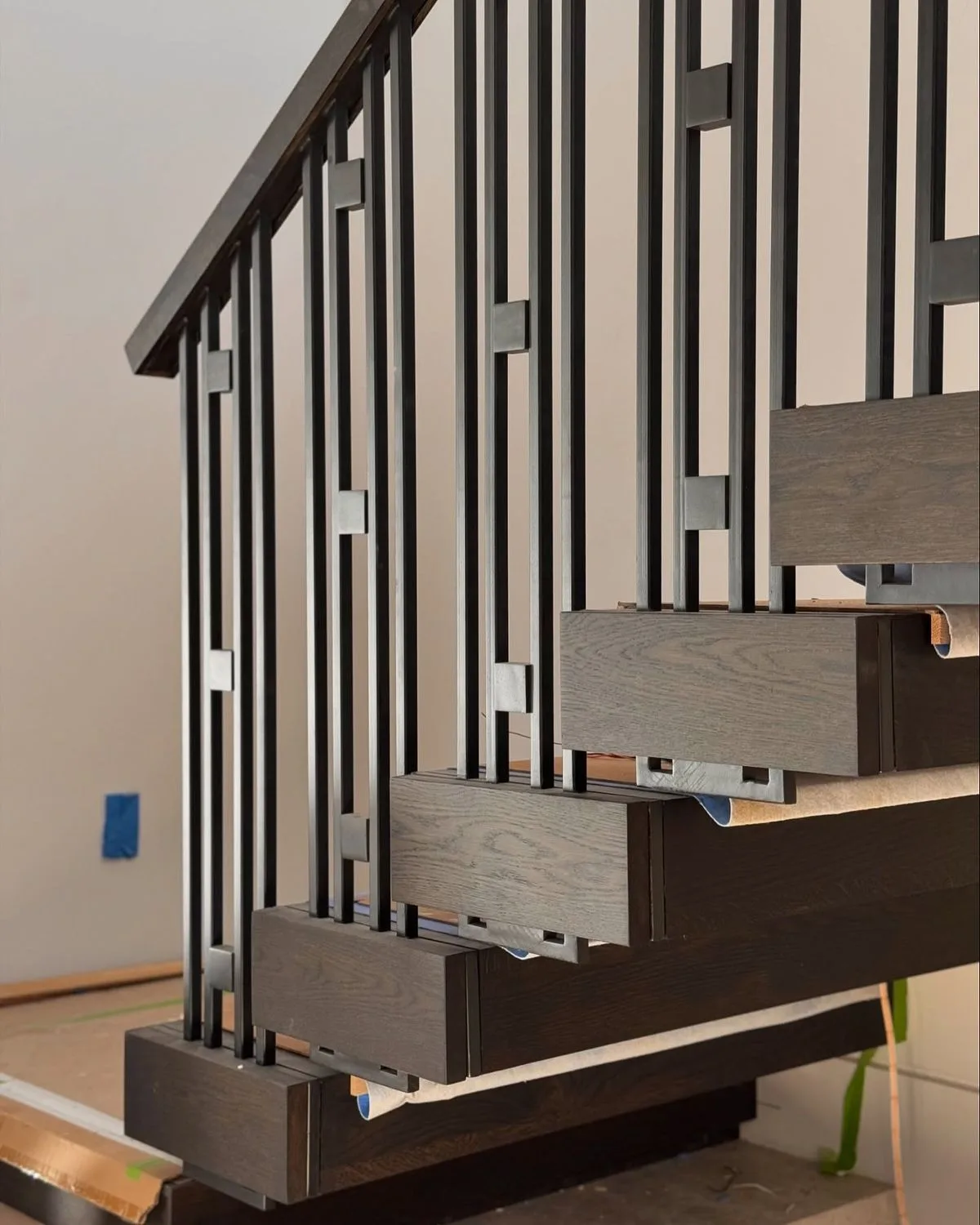
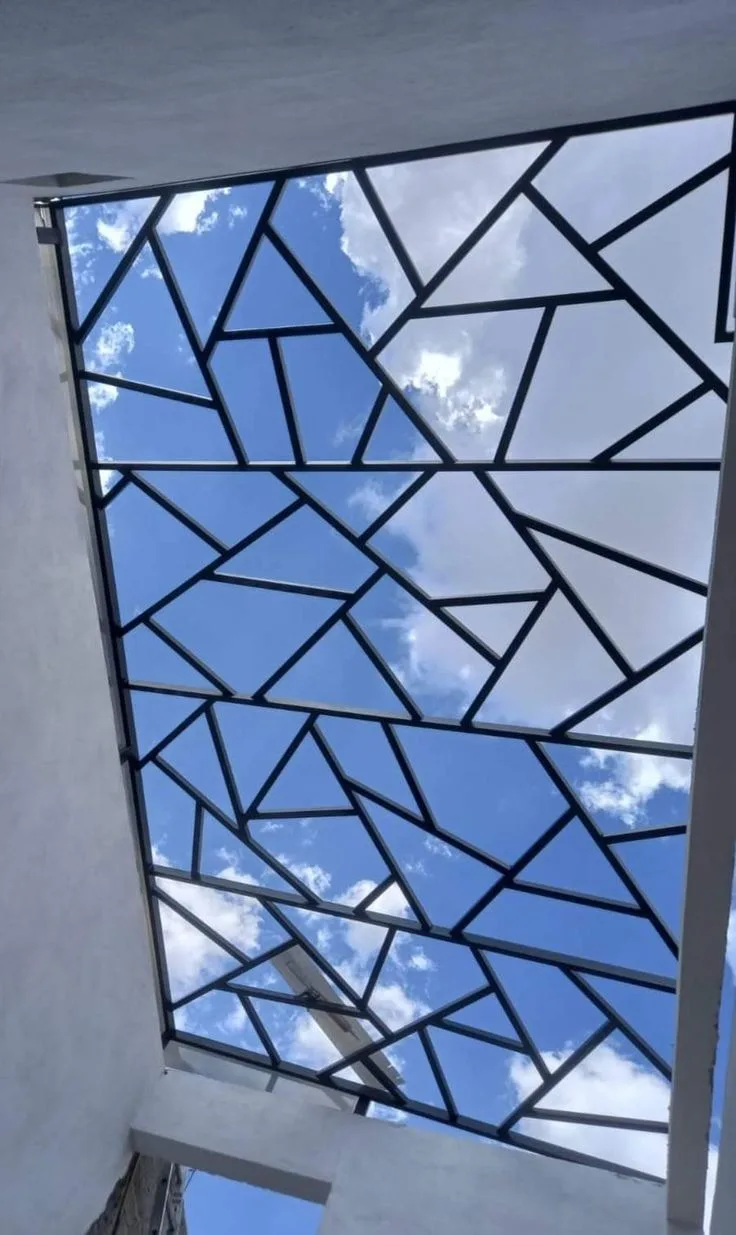
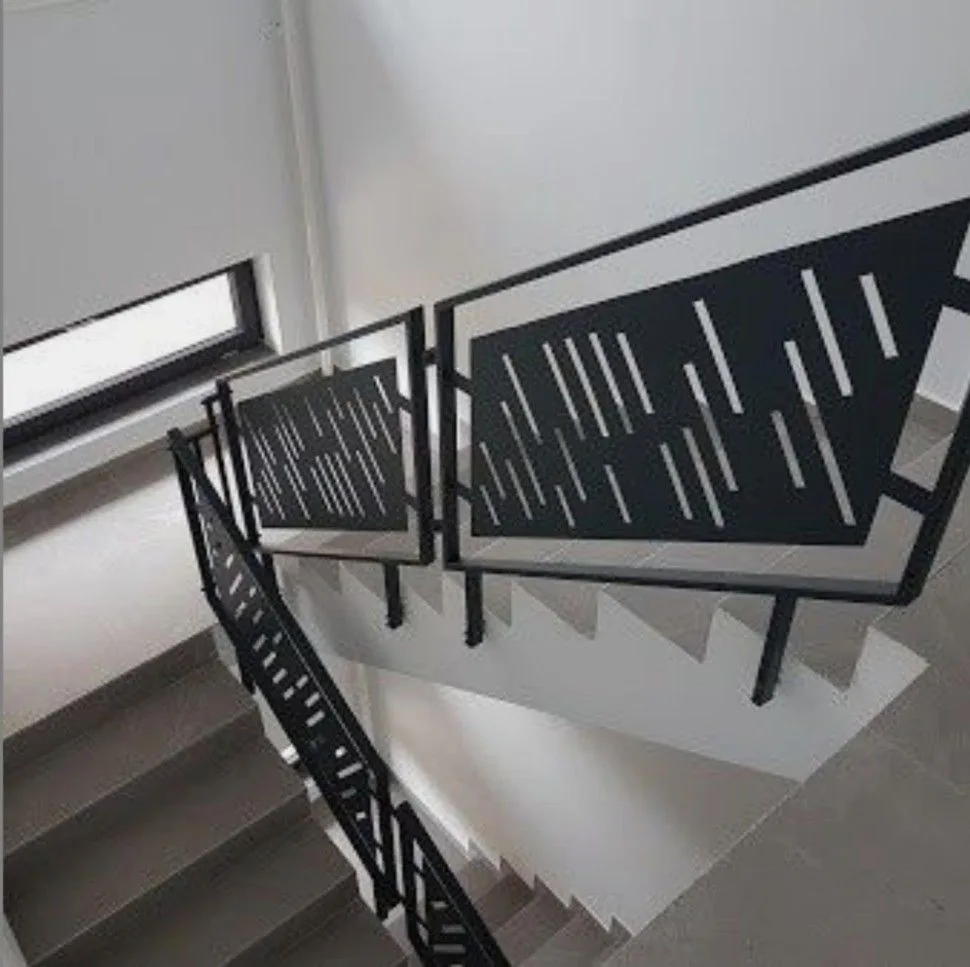
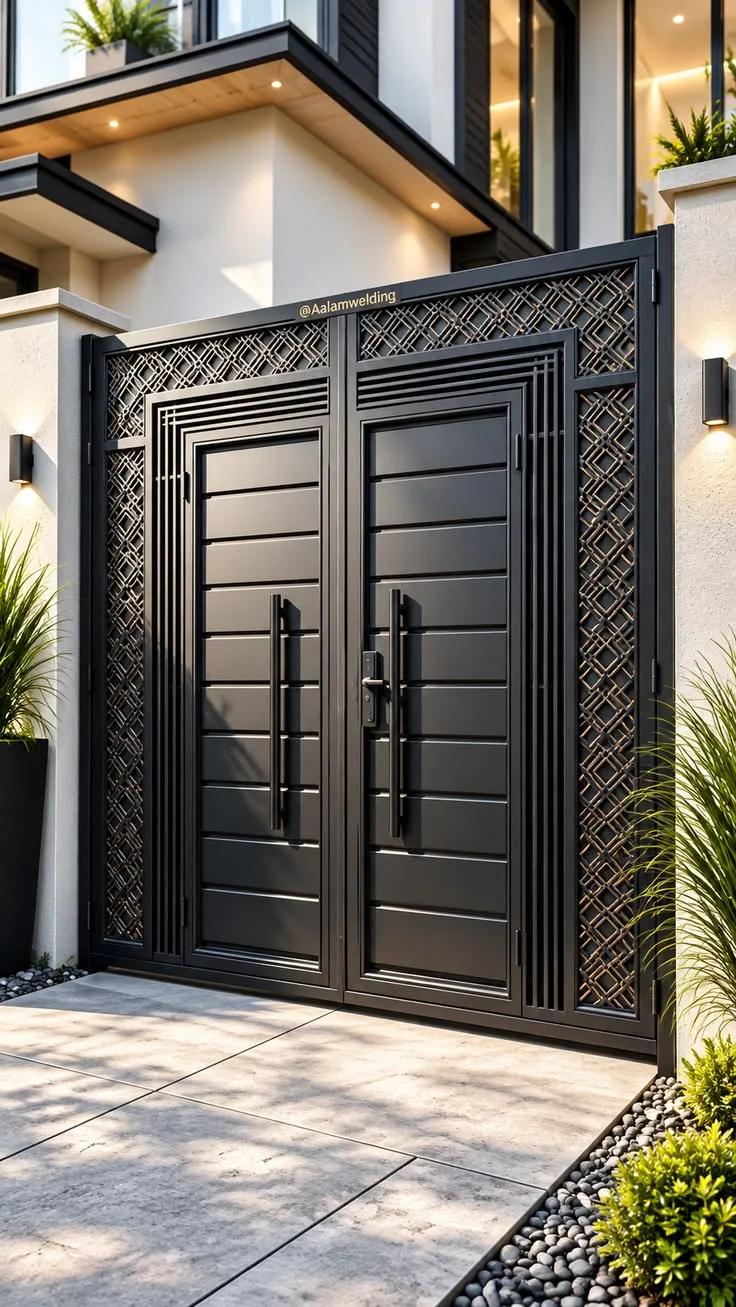
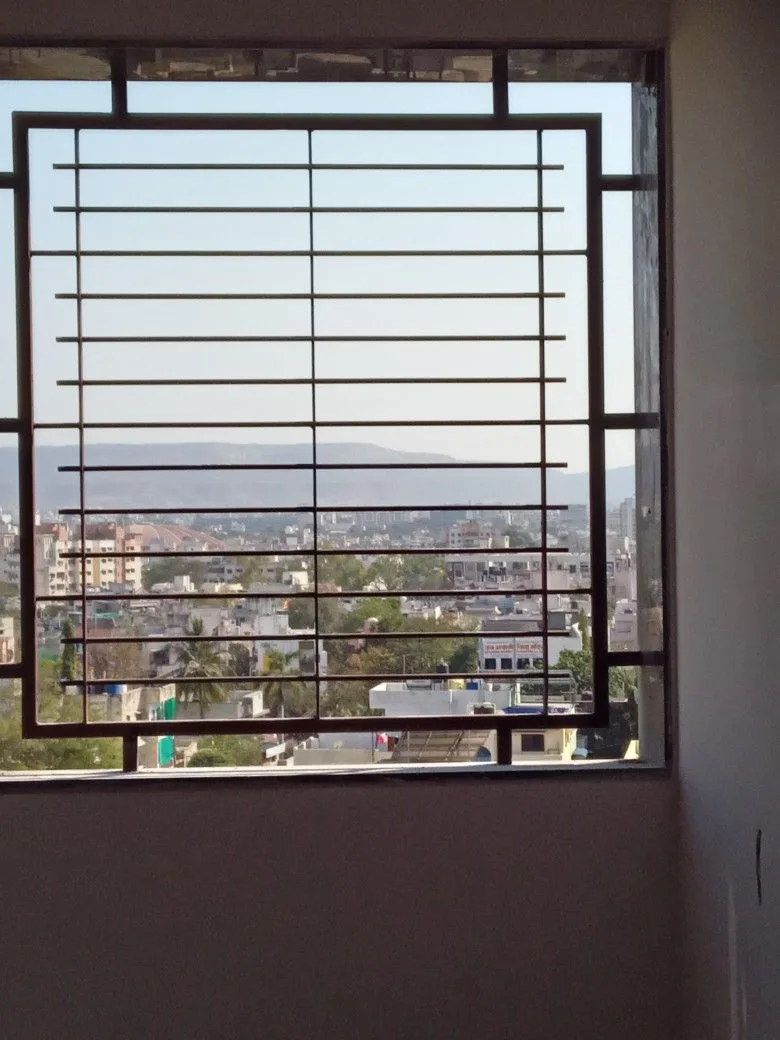
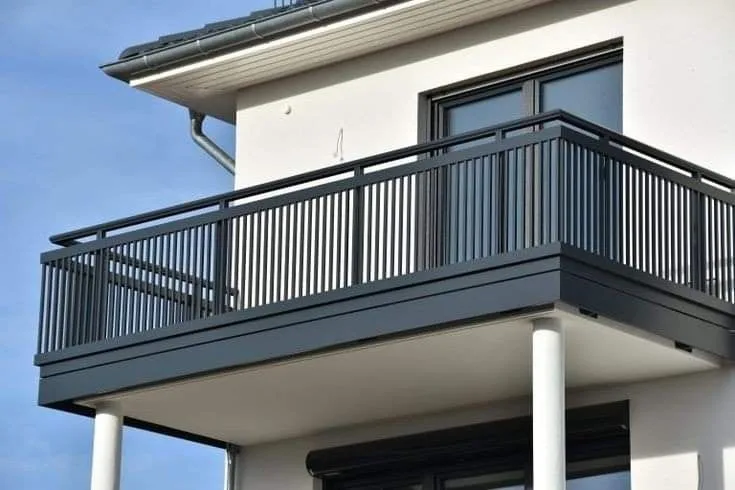
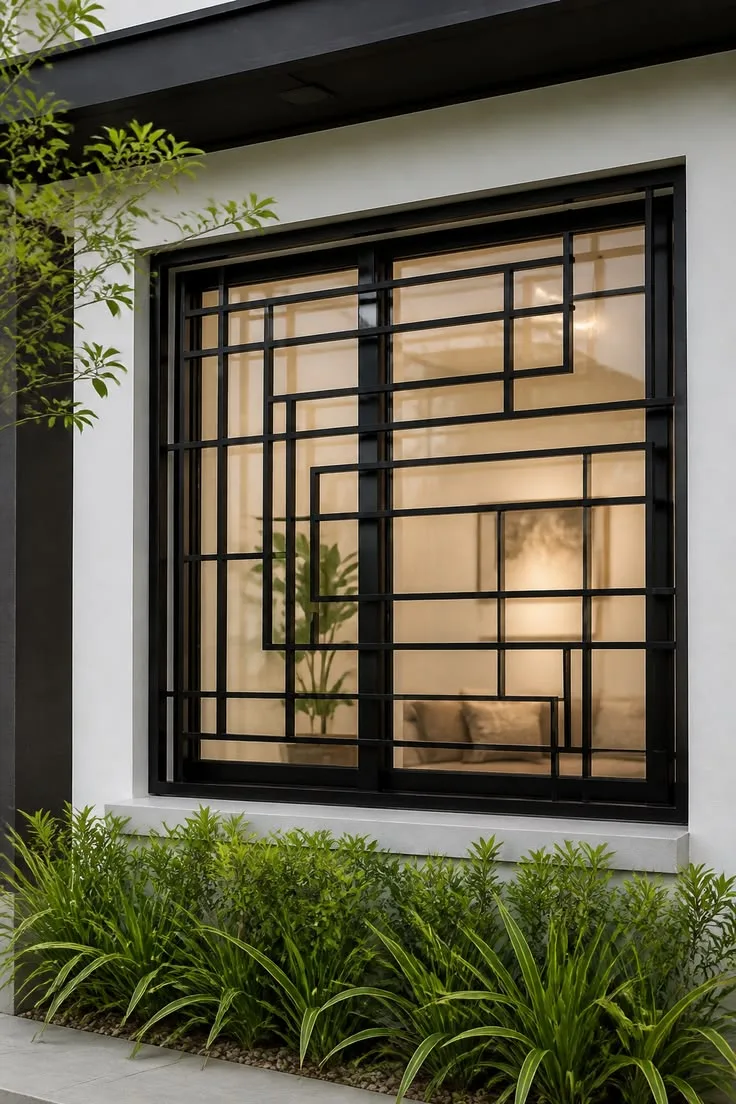
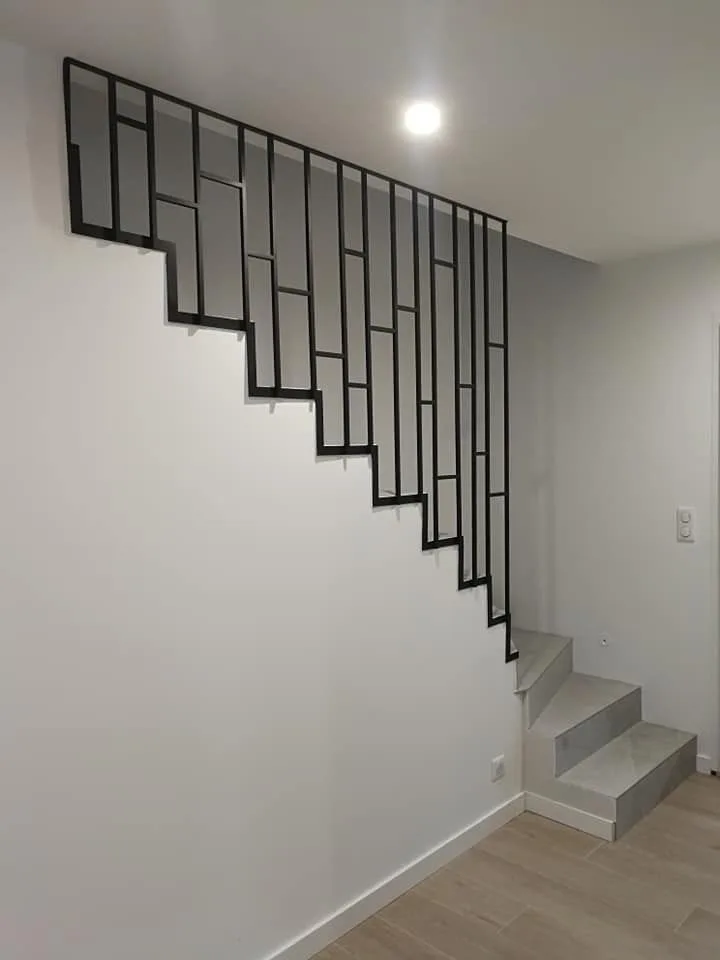
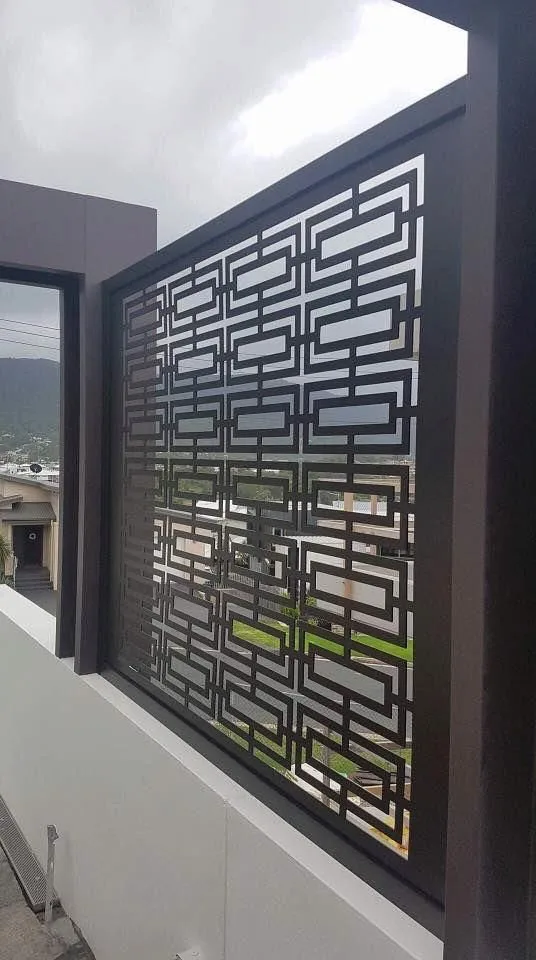
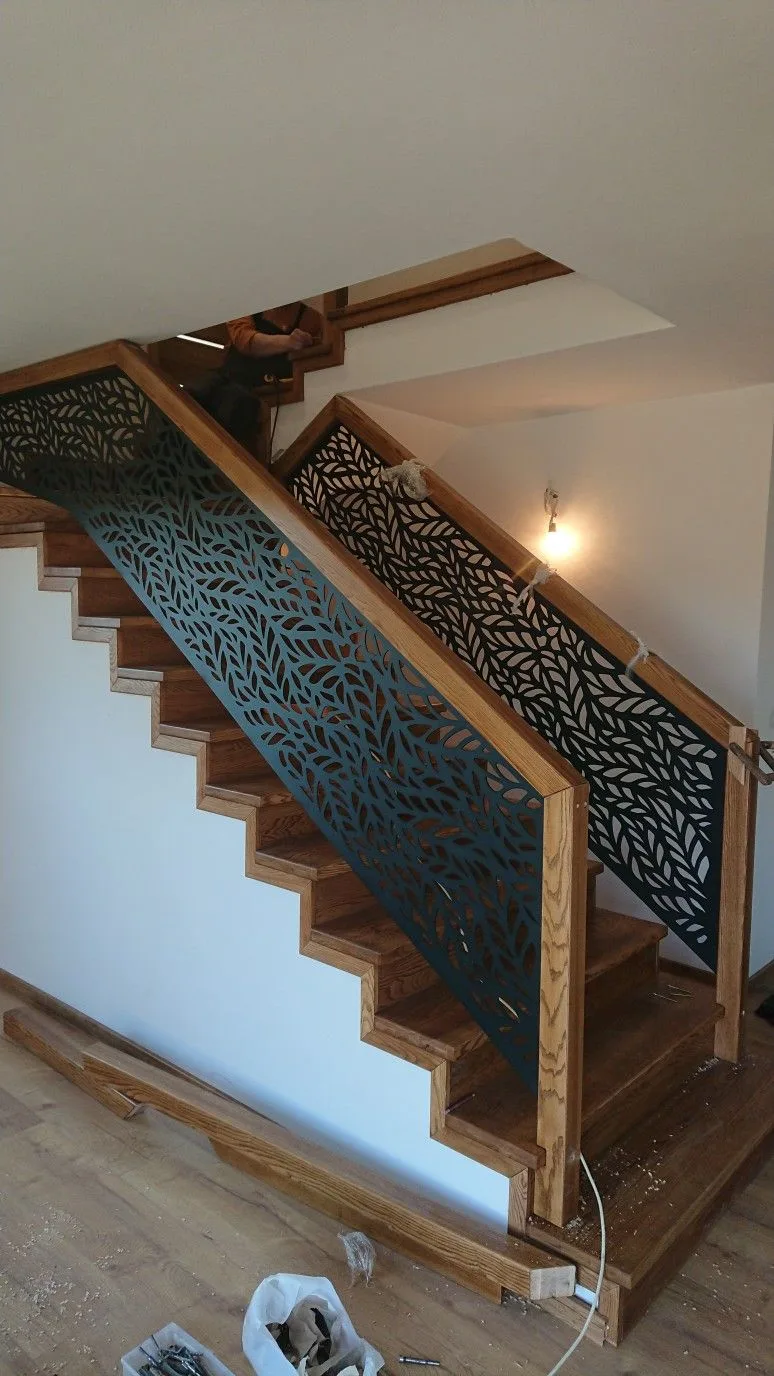
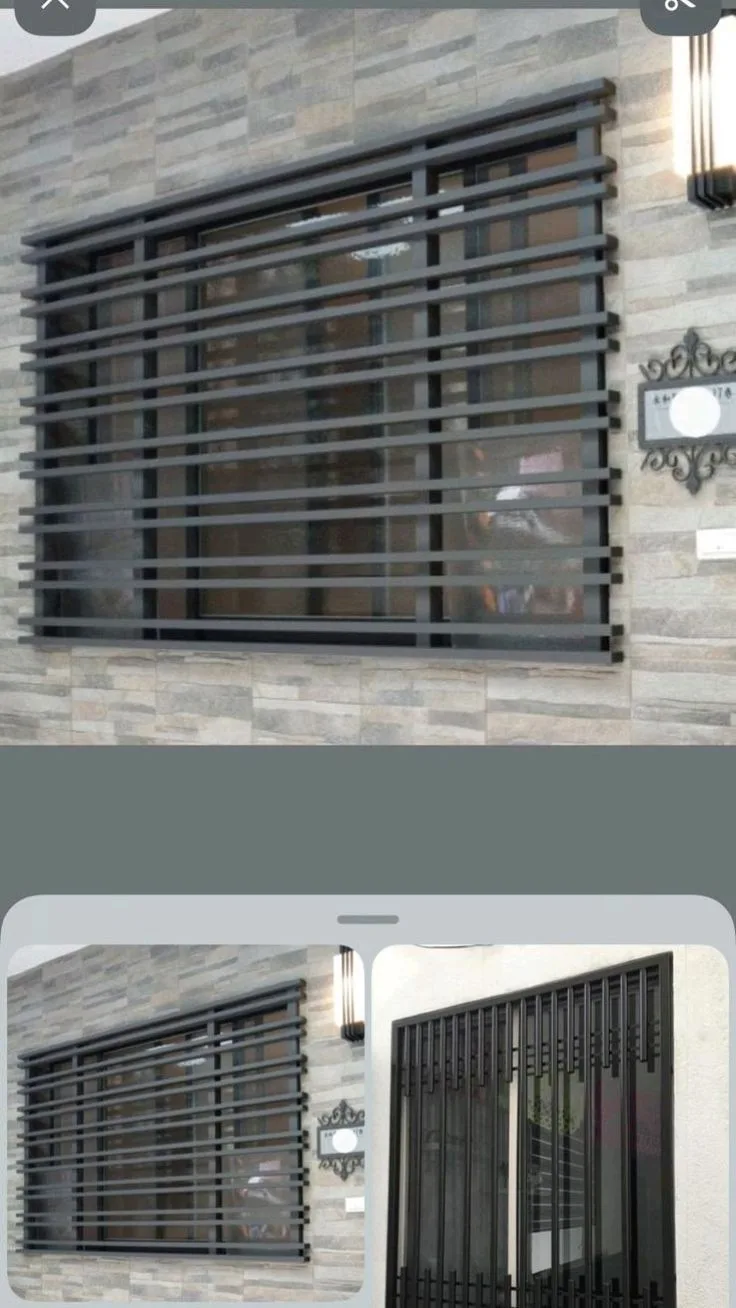
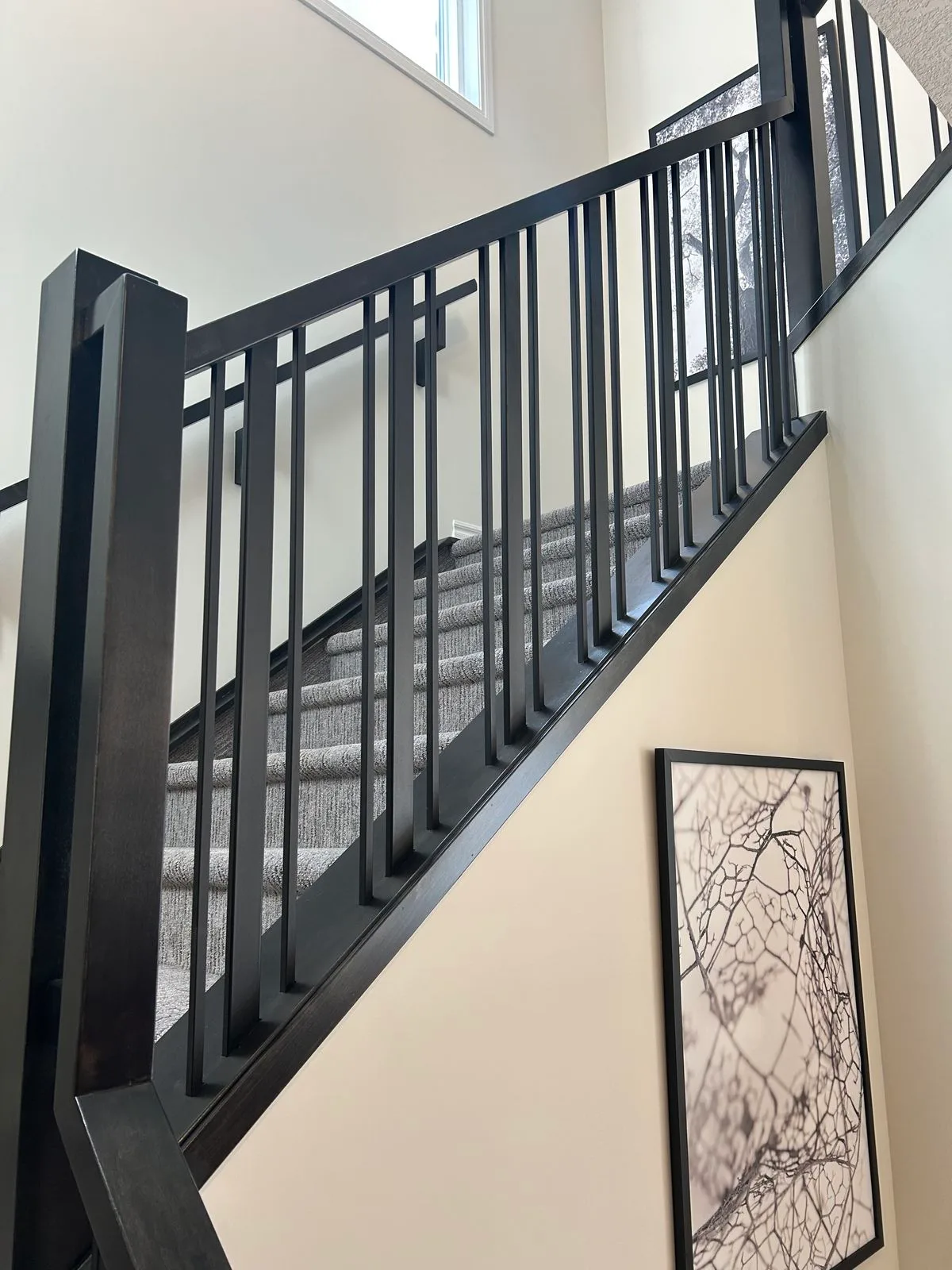
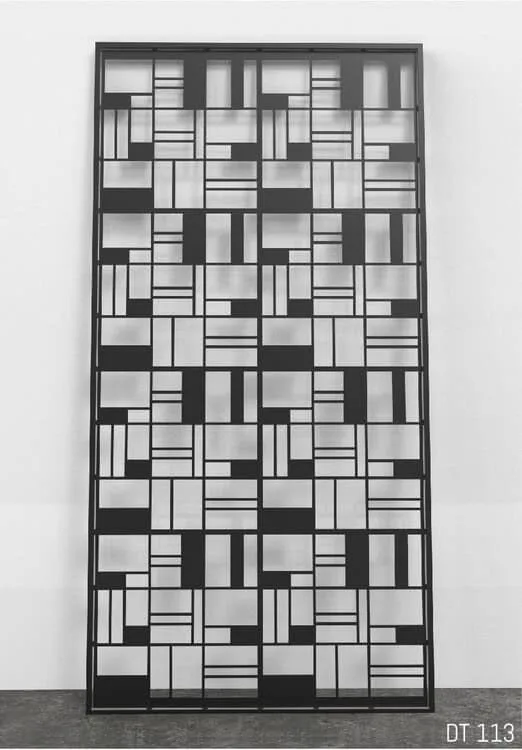
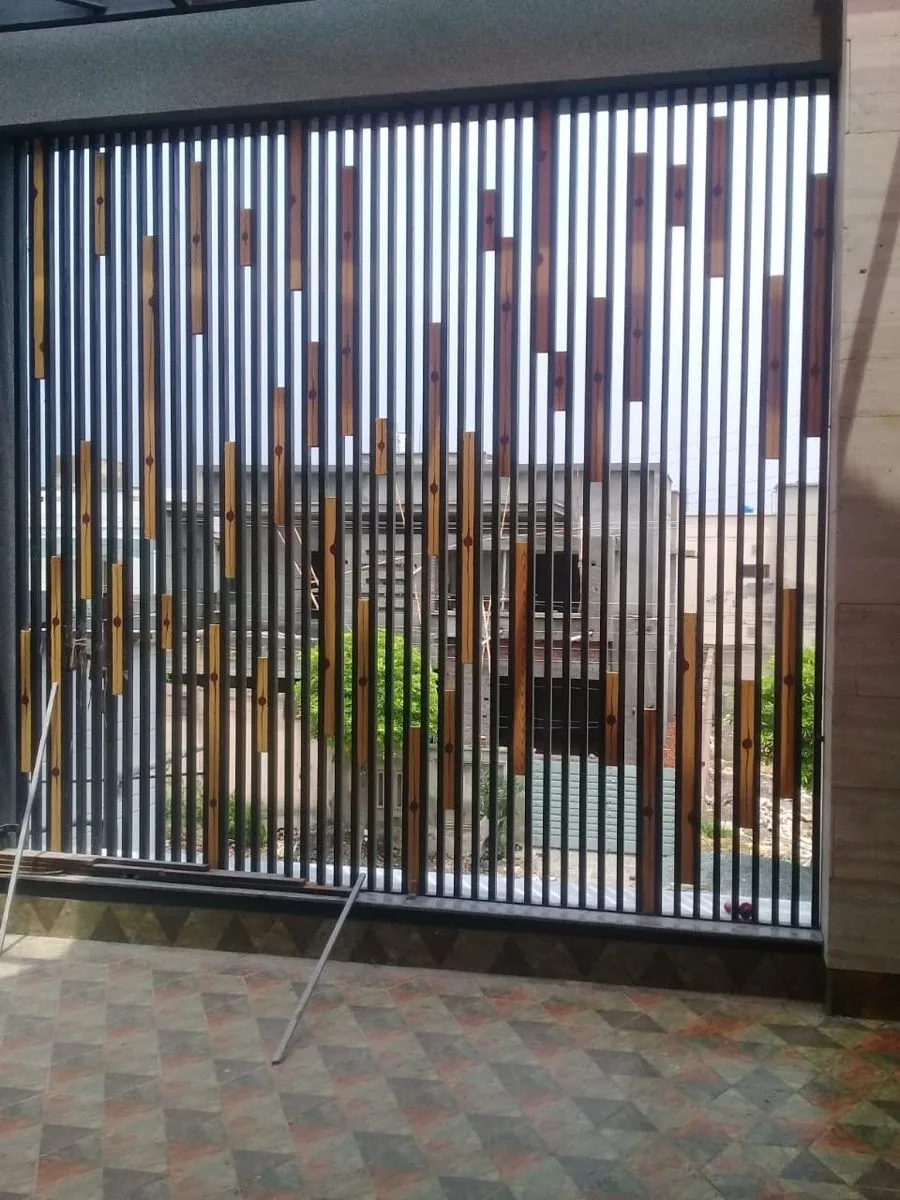
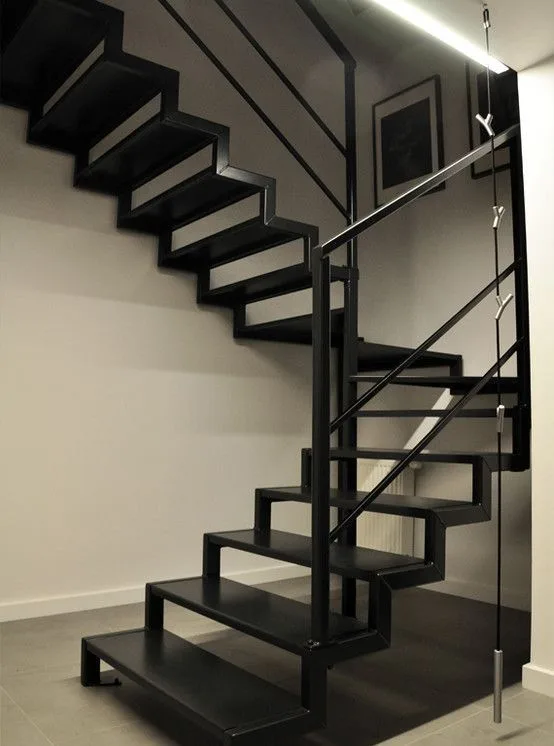
Design references from the supplied image collection and linked Pinterest sources. These images are not presented as completed HRM client projects. Final materials, dimensions and details are agreed for your site.
Can a photograph confirm whether a railing is safe?+
No. A photo cannot establish the condition of concealed fixings or the load capacity of a railing. Keep people away from visibly loose or damaged edge protection and arrange an appropriate on-site assessment.
Do you work outside Udaipur?+
We consider projects in Udaipur and within roughly 300 km, including Nathdwara, Rajsamand, Mavli, Gogunda and Salumbar. Share the exact site location so survey, transport and installation arrangements can be confirmed before quoting.
What should I send for an estimate?+
Send approximate dimensions, your site location, photos of the opening and a reference design or drawing. We then discuss material, finish, hardware and installation scope. Final site measurements are checked before fabrication.
Can you follow an architect’s drawings?+
Yes. Share the drawings, section details and finish schedule. Dimensions and fixing conditions are agreed before production. Structural and safety-critical details require the appropriate qualified design review.
How much will the work cost?+
The quotation depends on size, section and grade of metal, design complexity, hardware, surface finish and installation access. Ask for a written scope so material, transport, installation and any applicable taxes can be compared fairly.
Gate repair, railing alterations and damaged grill work begin with a condition assessment. Describe movement, corrosion or hardware faults before requesting a repair scope.
Metalwork repairs and alterations in Udaipur starts with a clear brief and a realistic understanding of your space. The notes below bring together the decisions to discuss before approving drawings, materials and a quotation. Use them alongside the photographs and information higher on this page. You do not need to resolve every technical detail before making an enquiry; start with the information you have and identify what still needs checking. For custom work, a useful conversation connects the design you like with the conditions at the actual building.
Start with use, not just appearance
A repair begins by identifying what has failed. Describe whether the problem is movement, corrosion, impact damage, a worn mechanism or a change in how the space needs to be used.
Write a short description of the problem the new work needs to solve. Include who uses the space, how often it is used and which existing conditions should remain. Explain whether the item is part of a new build, a renovation or a repair. This separates essential requirements from preferences that can change. A useful brief lets the design develop around the building and avoids treating a saved image as a complete specification. If several family members or project stakeholders have different priorities, bring those points together before finalising the design direction.
Allow for an occupied property
Decide what should remain visually consistent and what needs altering. Matching an old pattern or finish may need a different approach from replacing the entire item.
Work at an occupied home or commercial building needs a practical access conversation. Identify people using the area, suitable delivery routes and the surfaces that should remain protected. Mention parking, unloading space and any restrictions on reaching the installation position. Explain whether an old item must remain usable until a replacement is ready. Site arrangements should be agreed with the responsible contact rather than assumed from a frontage photograph. The aim is to connect the fabrication package with a realistic installation sequence and the needs of the people already using the building.
Specify the complete assembly
The condition of the existing metal and concealed supports must be assessed before a repair method is agreed. Surface appearance alone cannot confirm the remaining strength.
A useful material description connects the main frame, infill, hardware and finish. Broad phrases such as premium metal or heavy quality leave important differences unresolved. Ask which parts are included, how visible edges are treated and how the proposed finish relates to the exposure. If another supplier provides glass, stone, timber or electrical components, record that responsibility. Discuss substitutions before approving them so a change in one component does not create an unexpected change in another. Keep the agreed descriptions with the drawings rather than relying on colour or appearance alone.
Connect the brief to the actual site
Send one overall photograph and close-ups of the damaged area and supports. Mention recent movement, water exposure and whether the item is currently being used.
Overall photographs and approximate dimensions are useful at the enquiry stage. Production information needs a clearer record of the opening, surrounding construction, finished levels and support conditions. Label each photograph so the project team can tell which item it describes. Mention narrow approaches, stairs, occupied rooms and any surfaces that need protecting. Tell us which dimensions are still affected by plaster, flooring or other unfinished work. This allows measurement and installation arrangements to be discussed around the actual site instead of assuming every visible opening is ready for fabrication.
Compare quotations on the same basis
A repair estimate may need inspection before it can be firm. Ask what is included in dismantling, replacement sections, preparation, hardware, reinstallation and surrounding repairs.
Read the quotation as a description of work as well as a total. Check sizes, quantities, material descriptions, hardware, finishing, delivery and installation. Identify provisional items and exclusions so a lower figure is not mistaken for the same package. If you want to reduce the scope, discuss the practical effect of each alternative. Changes in pattern, finish or quantity should remain visible in the revised proposal. There is no universal catalogue price for custom work: the useful comparison is a clearly written scope for the same item at the same location.
Agree responsibilities and sequence
Secure an unsafe area and arrange suitable professional assessment. Structural damage or unstable railings need more than a cosmetic weld or a fresh coat of paint.
Before manufacture, decide who approves drawings and who communicates changes. Keep the latest revision available to the workshop and site teams. Confirm the work that other contractors must complete before delivery or installation, including any relevant civil work, finishes and services. A decorative reference does not establish structural performance, regulatory compliance or the correct fixing for a particular building. Where these questions arise, involve the responsible architect, engineer or relevant specialist. A clear sequence helps preserve the intended appearance while giving practical interfaces the attention they need.
Review the work at handover
After repair, follow the agreed inspection and use instructions. Report recurring movement, renewed rubbing or corrosion at the same location rather than repeatedly covering it.
Check the installed item against the agreed description and discuss any outstanding detail with the responsible contact. Where there are moving parts, review their intended operation and servicing access. Record visible damage or incomplete work clearly rather than relying on memory. Keep finish information and any relevant hardware details for future reference. A handover discussion should also identify concerns that need specialist review instead of treating every issue as cosmetic. The same record can make a later alteration or matching item easier to describe without starting again from an unlabelled photograph.
Prepare an enquiry for Udaipur or a nearby site
Describe the fault, share your location and say whether the item can be accessed safely. A site review will determine whether repair or replacement is the practical route.
HRM Industries is based in Eklingpura, Udaipur, Rajasthan, 313003. Projects within roughly 300 km are considered individually; share the exact location so travel, survey, transport and installation can be discussed. Nathdwara, Rajsamand, Mavli, Gogunda and Salumbar are examples of nearby enquiry areas, not separate branch offices. Road distance and the practical route may differ from a simple radius on a map. Confirm arrangements before expecting a visit or delivery. You can call +91 97996 47638 or email hrmindustries2026@gmail.com with your project details.