A practical metalwork maintenance checklist before monsoon
Simple inspection and maintenance habits for outdoor gates, grills and railings.
HRM Industries · 30 October 2026 · 2 min read
Design reference · Final details agreed for your site
Inspect before the wet season
Walk around outdoor metalwork and look for damaged coating, trapped debris, loose hardware and areas that stay wet. Check the bottom rails and places close to soil or paving. Photographs make it easier to describe a problem and track whether a damaged area is changing over time.
Clean with the finish in mind
Use the cleaning method recommended for the specified coating or metal. Avoid assuming a strong acid, abrasive pad or pressure washer is suitable for every surface. Remove dust and dirt without damaging the protective layer, then allow the surface to dry. Check hidden corners where moisture and debris can collect.
Respond to coating damage
A scratch exposing steel can need attention before repeated wetting makes the problem larger. The appropriate repair depends on the original coating system and the condition beneath it. Ask for a compatible repair procedure rather than simply painting over loose material or visible corrosion.
Check movement and drainage
Keep gate tracks and drainage paths clear of stones, leaves and silt. Listen for changed movement and check visible stops and fasteners. Lubrication should follow the hardware supplier’s guidance. Avoid forcing a motorised gate that is binding; isolate it as appropriate and have the mechanical or electrical issue reviewed.
Treat loose edge protection seriously
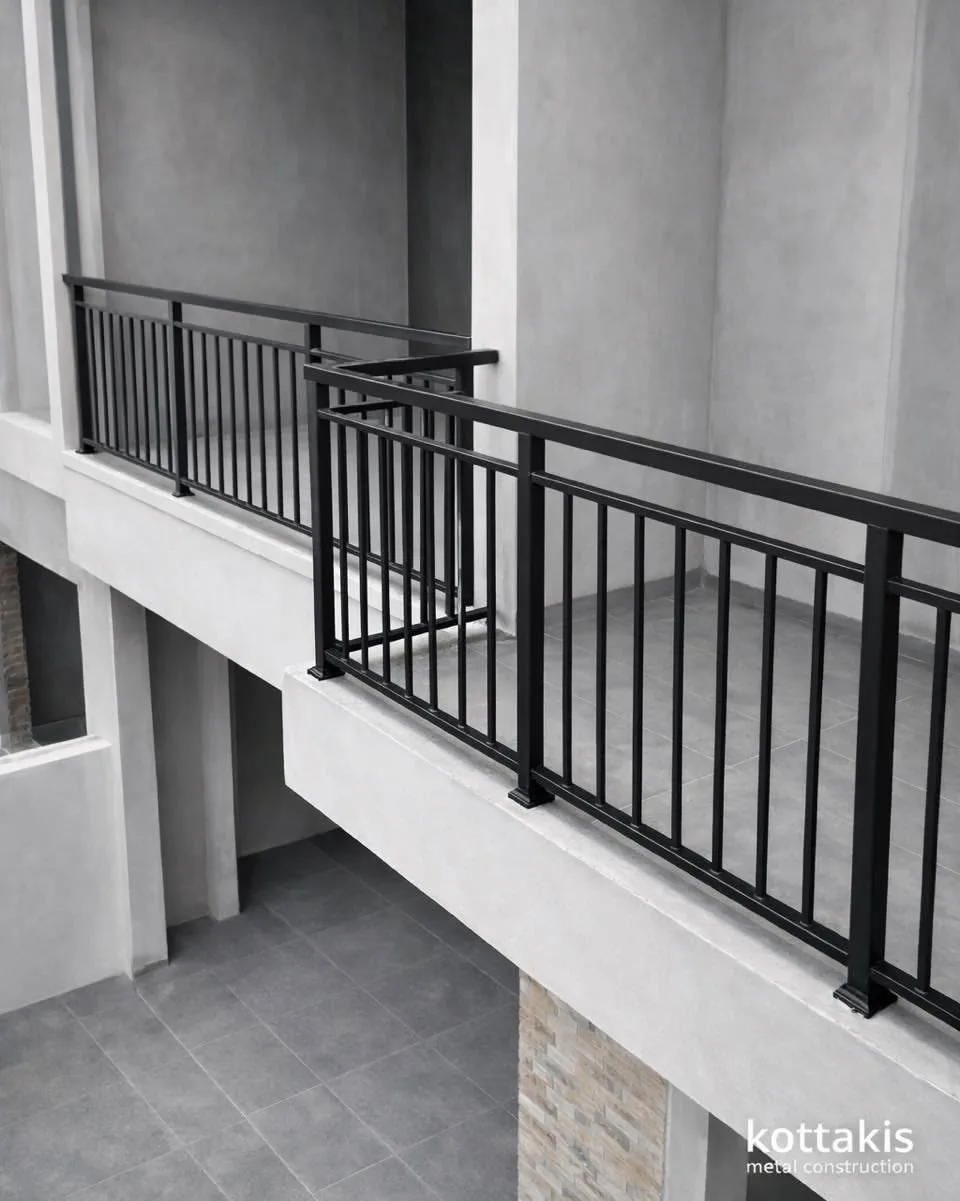
A moving railing or damaged staircase connection requires an appropriate assessment. Keep people away from an unsafe edge. Cosmetic repainting does not repair a weakened support or establish load capacity. Explain the movement, share photographs and arrange a qualified review before relying on the installation.
Keep a simple maintenance record
Retain the material and coating specification, supplier details and any finish sample. Record inspection dates and repairs. Those details help when ordering compatible replacement parts or touching up a finish. For repairs around Udaipur, describe the location, age if known and the problem rather than asking for a repair price from a close-up photo alone.
THE VISUAL LIBRARY
Find your design direction.
Select an image for a closer look. Save the details you like for your project.
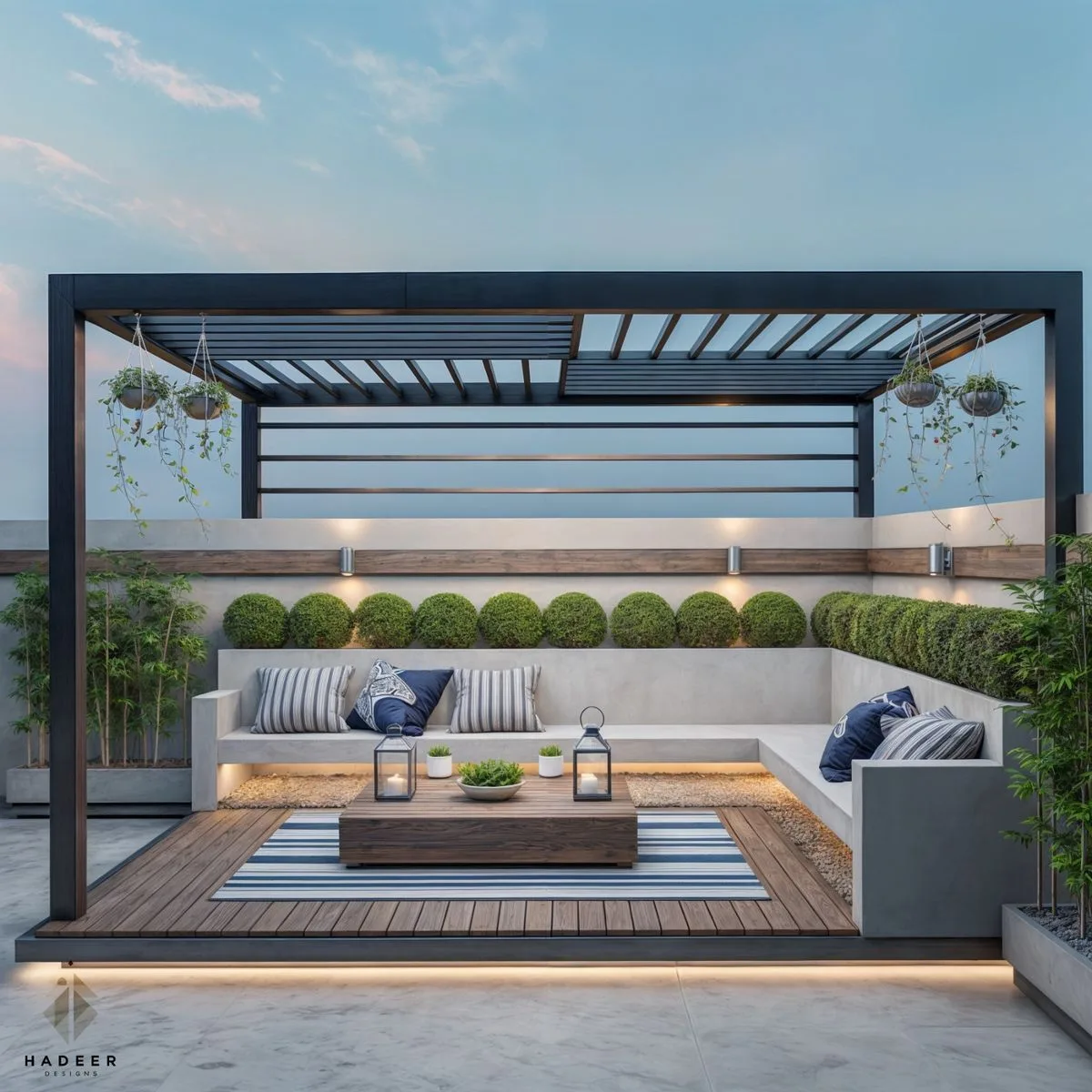
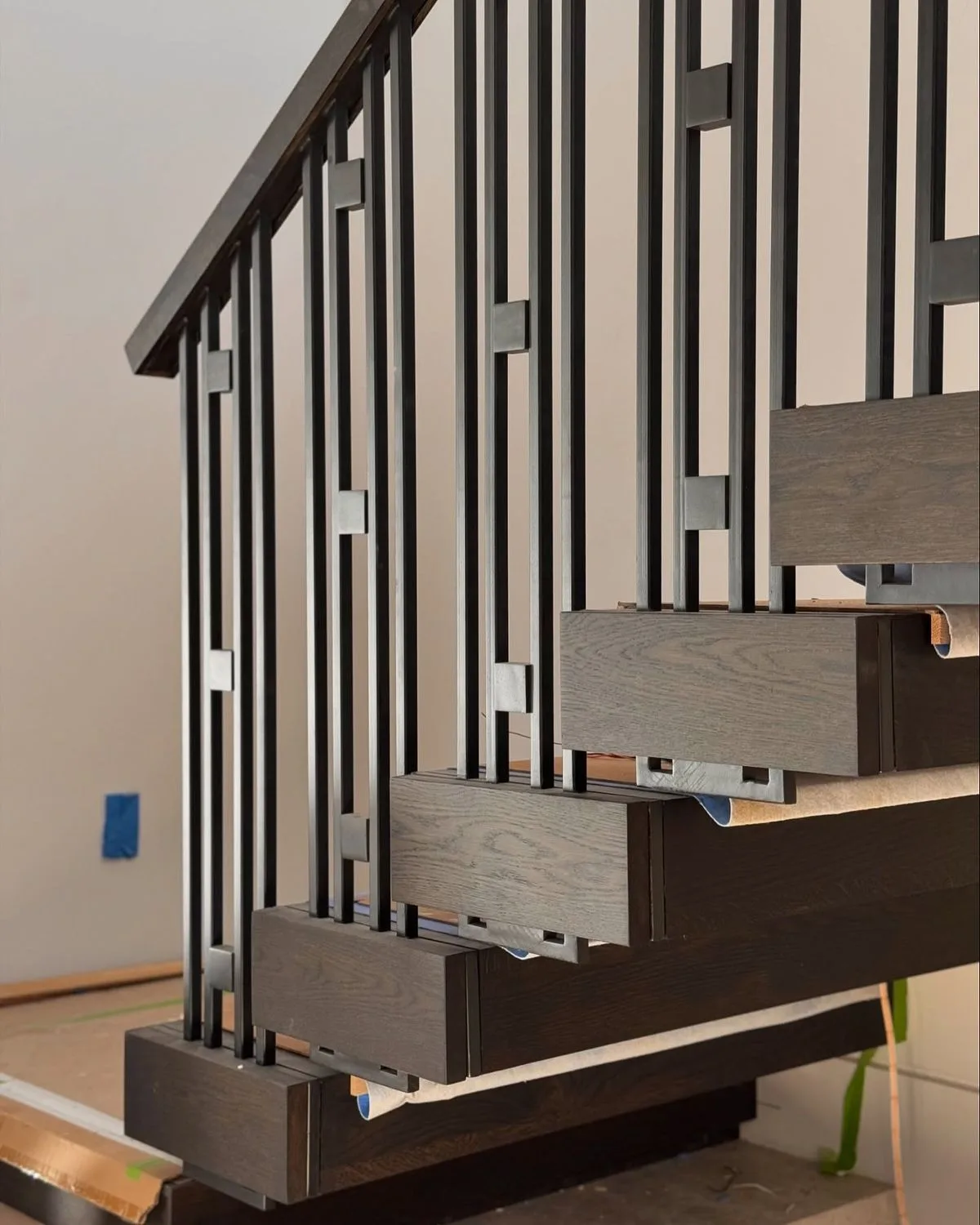
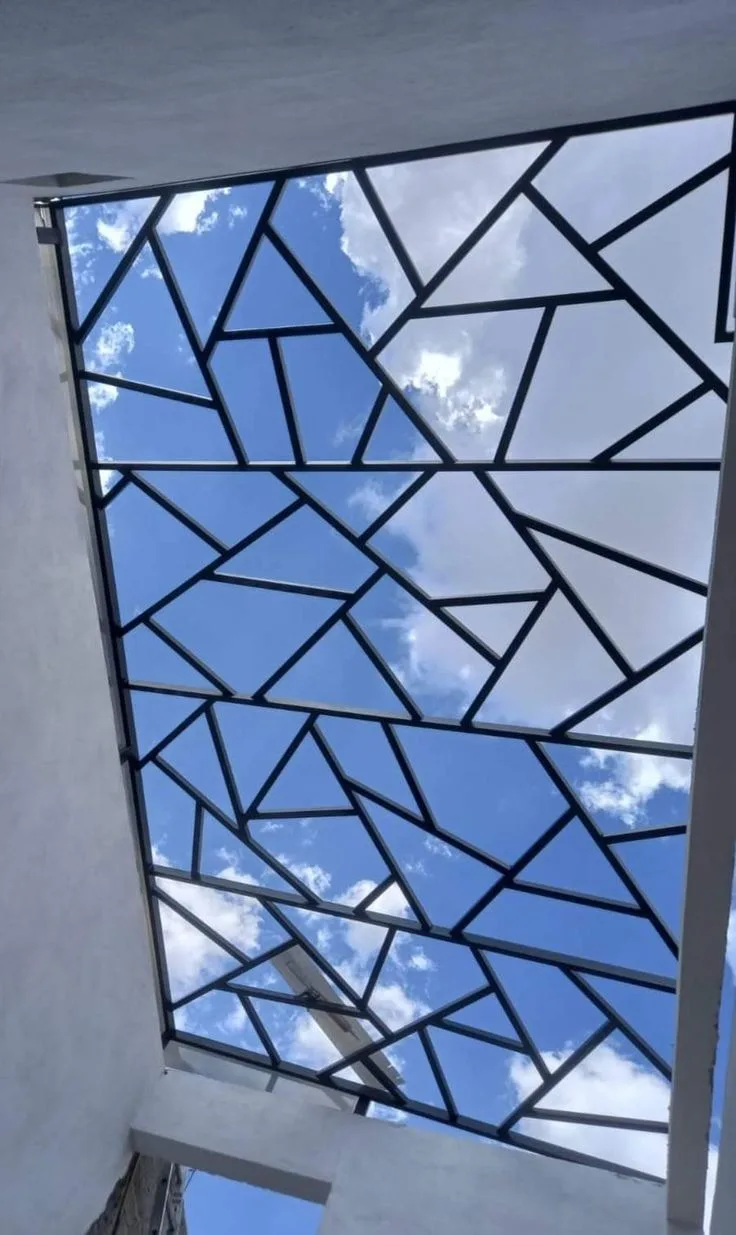
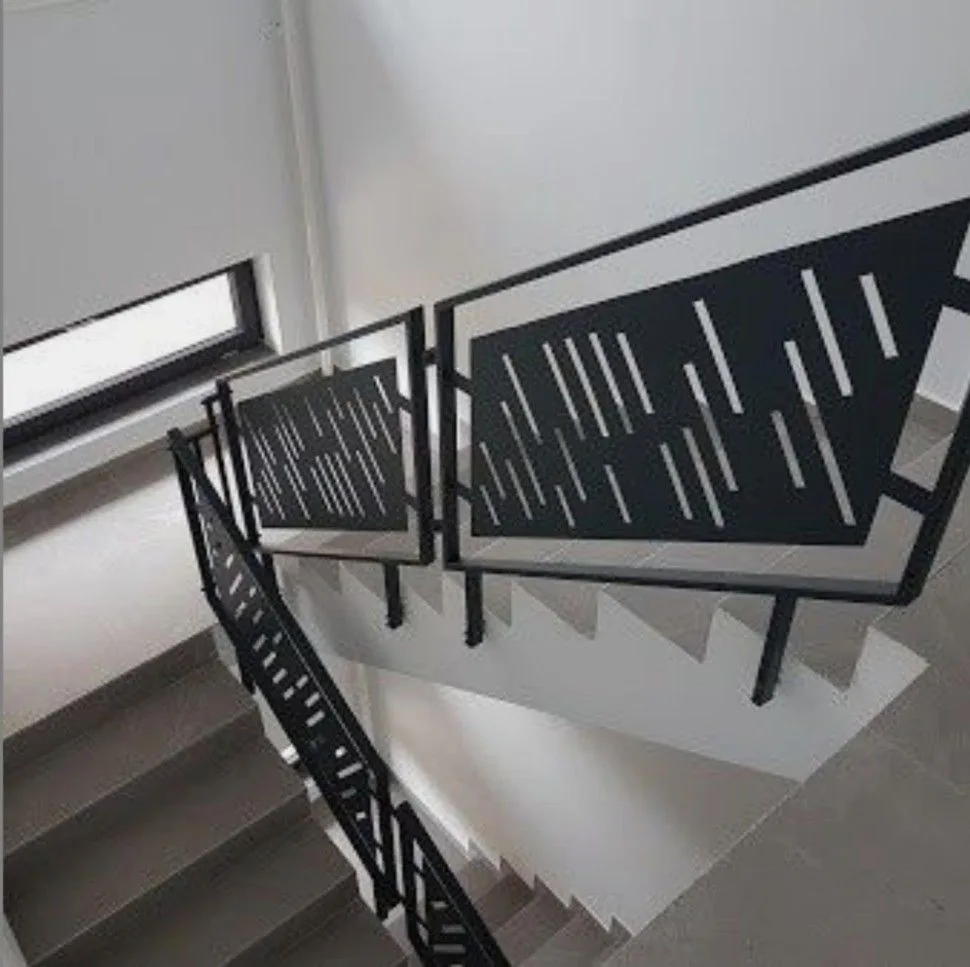
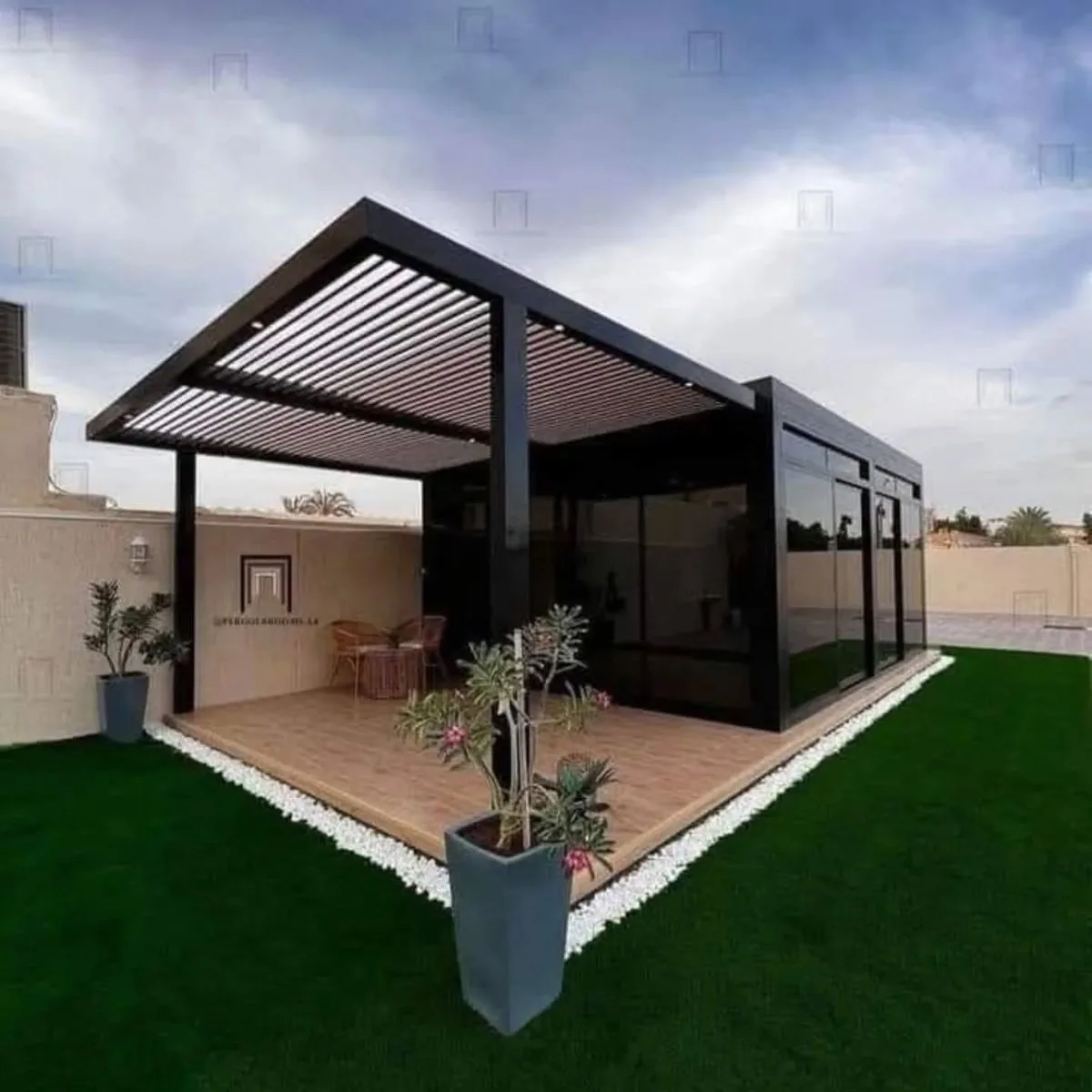
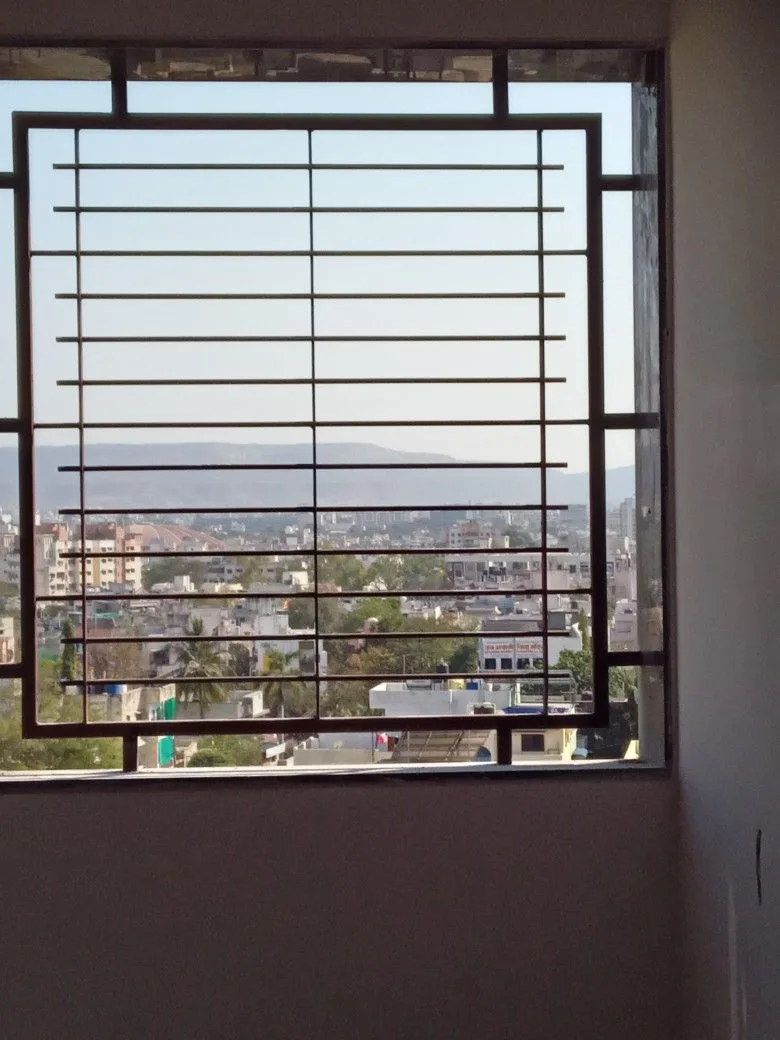
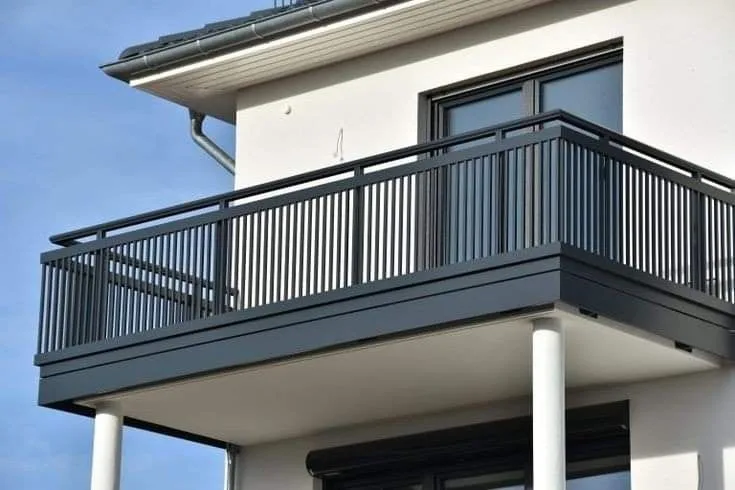
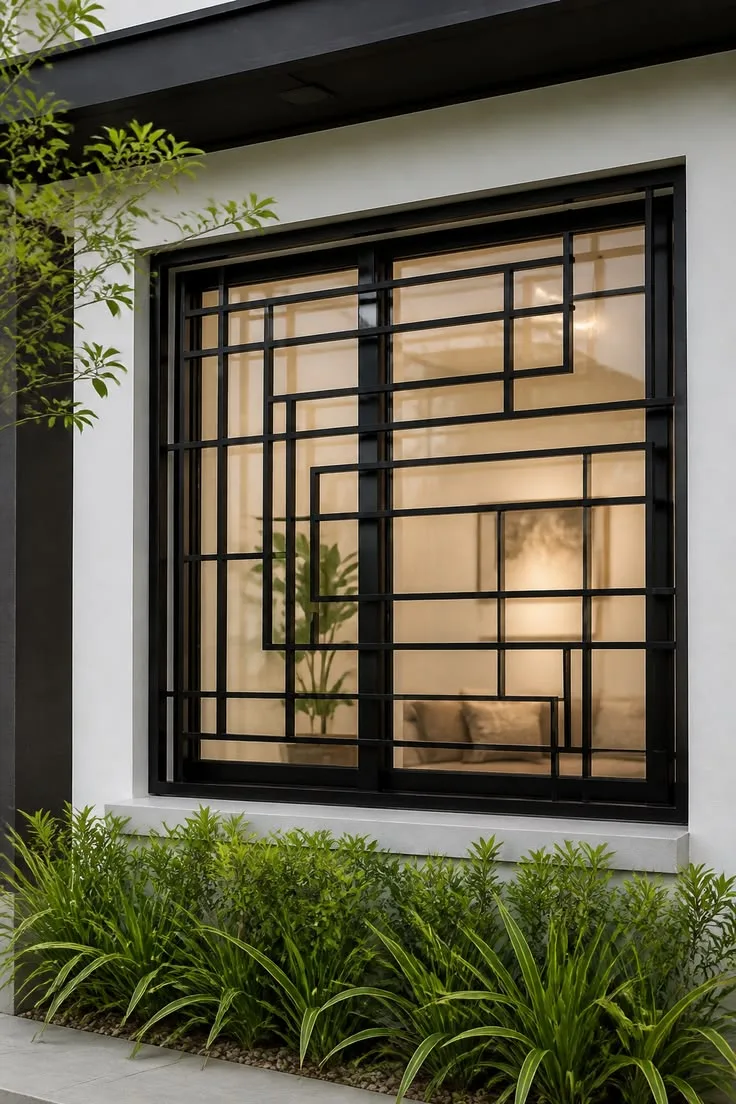
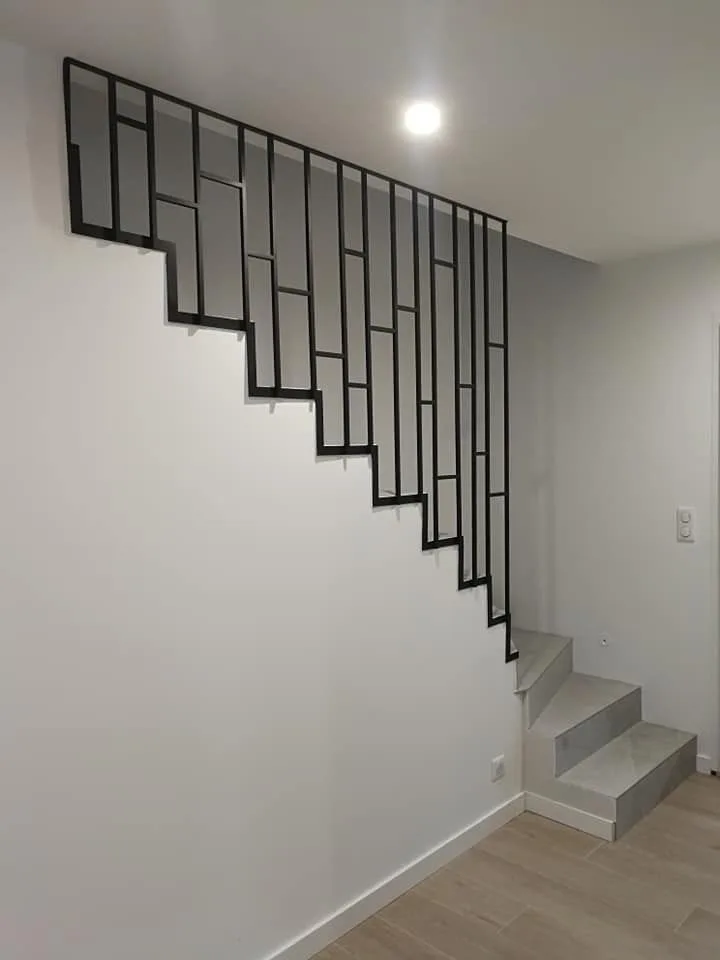
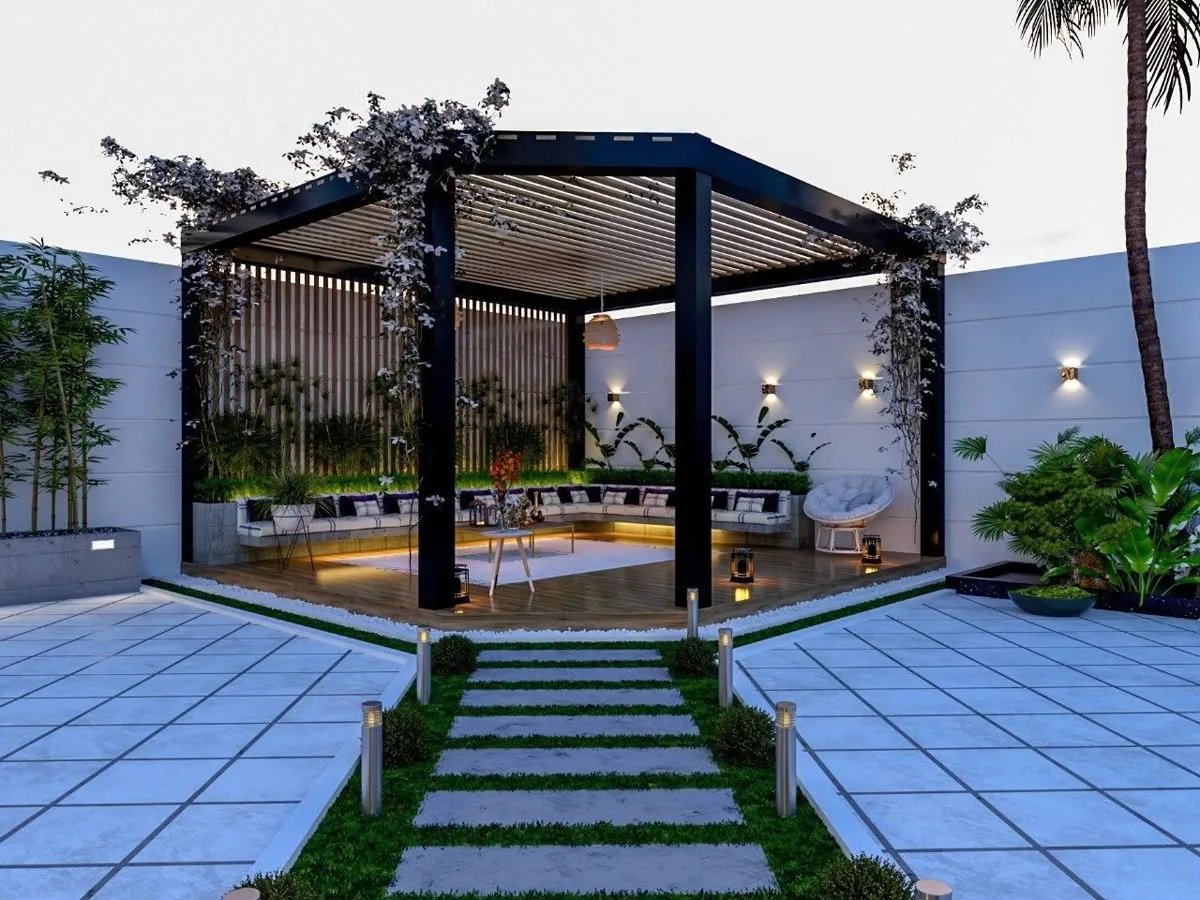
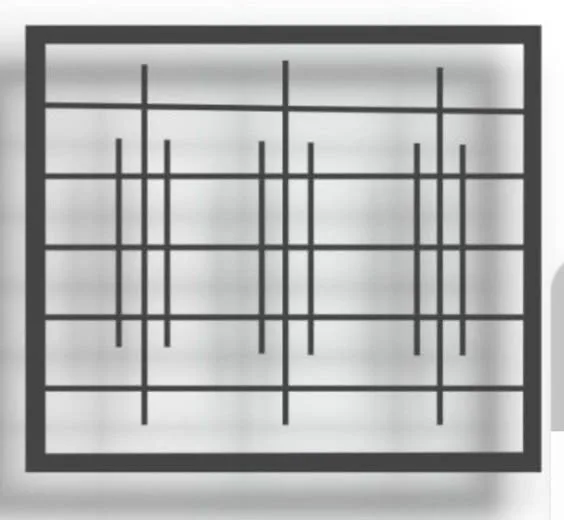
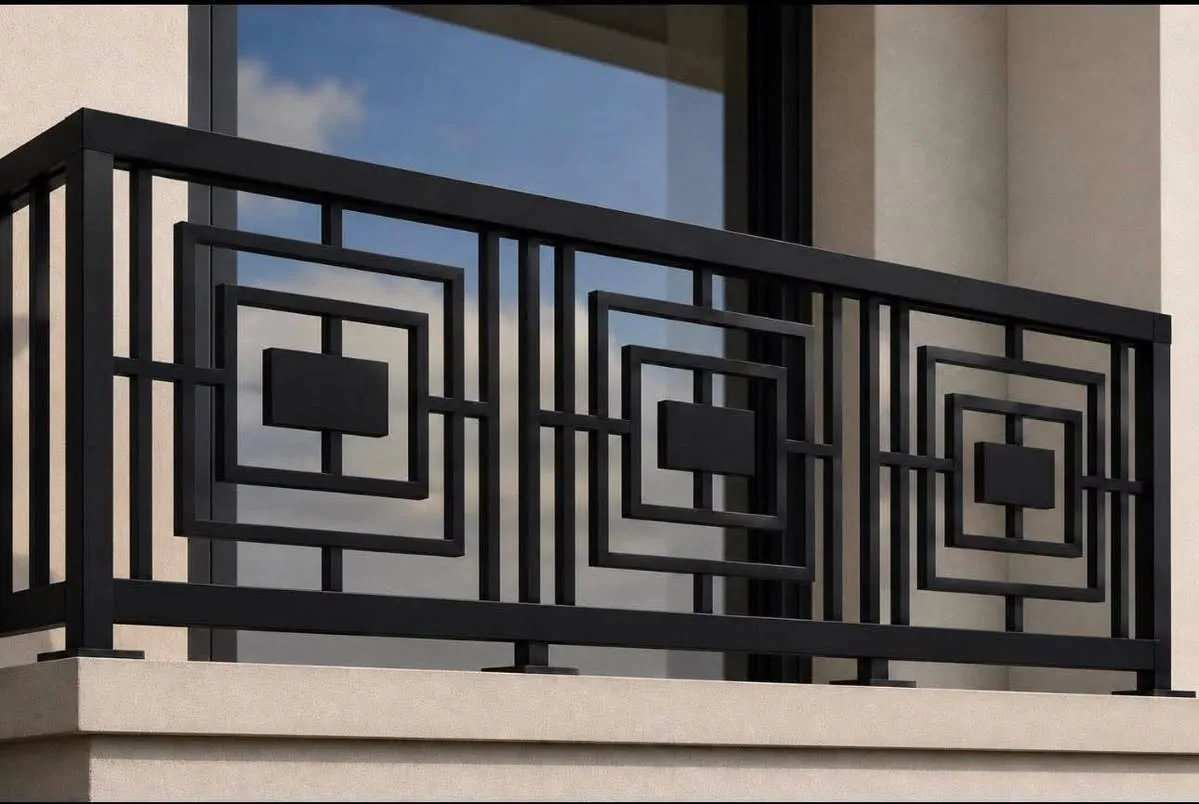
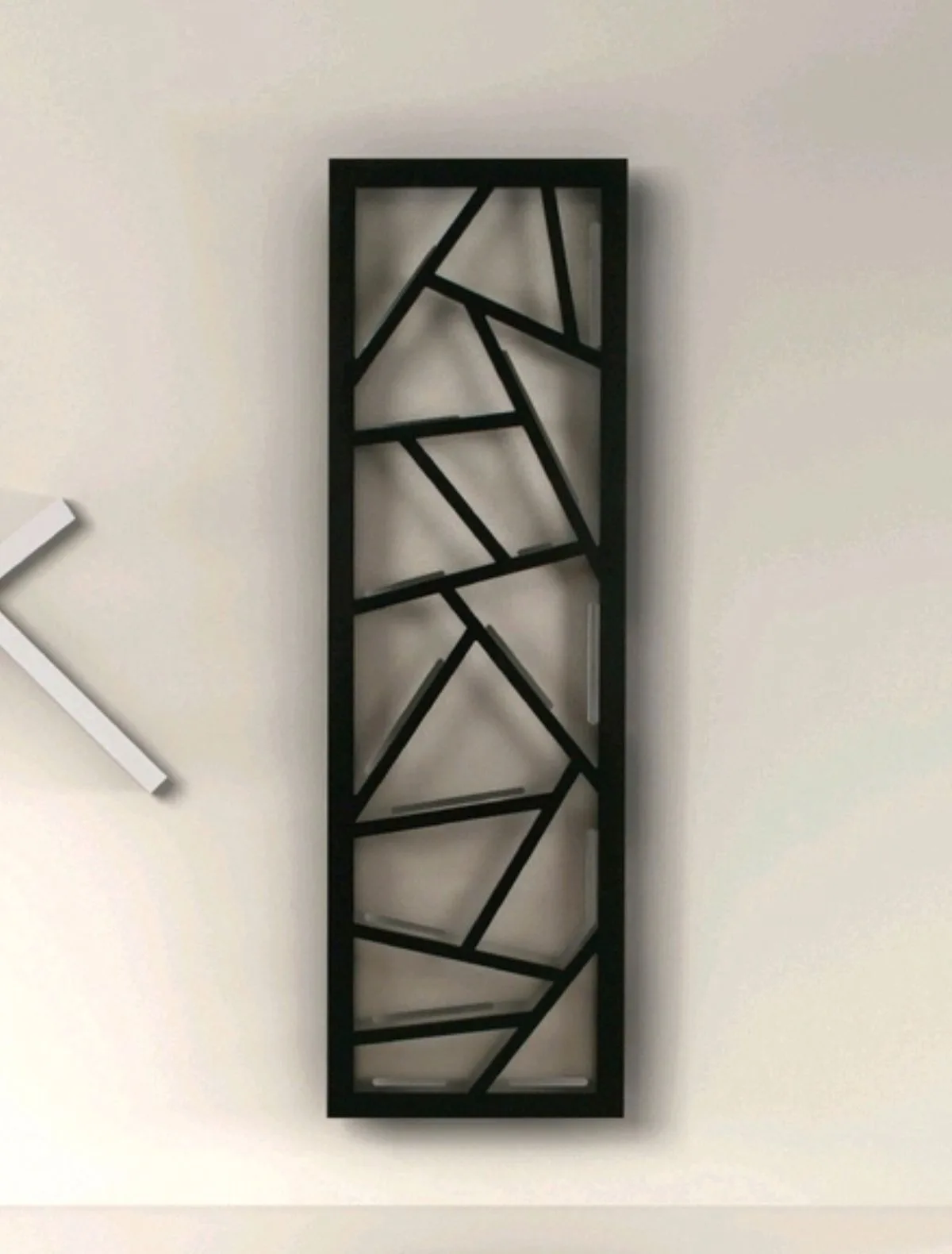
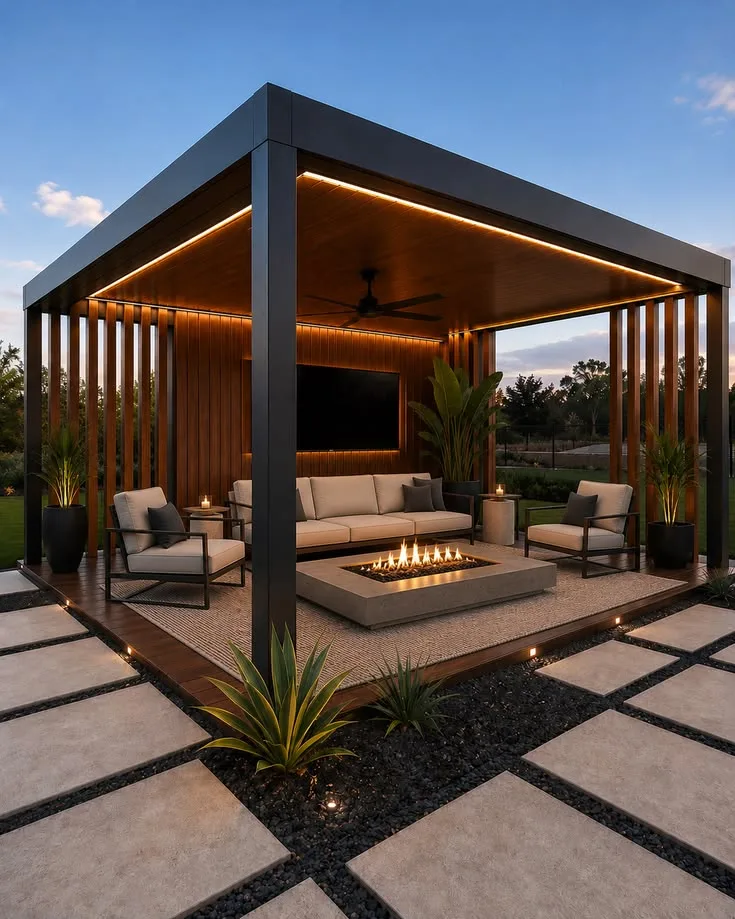
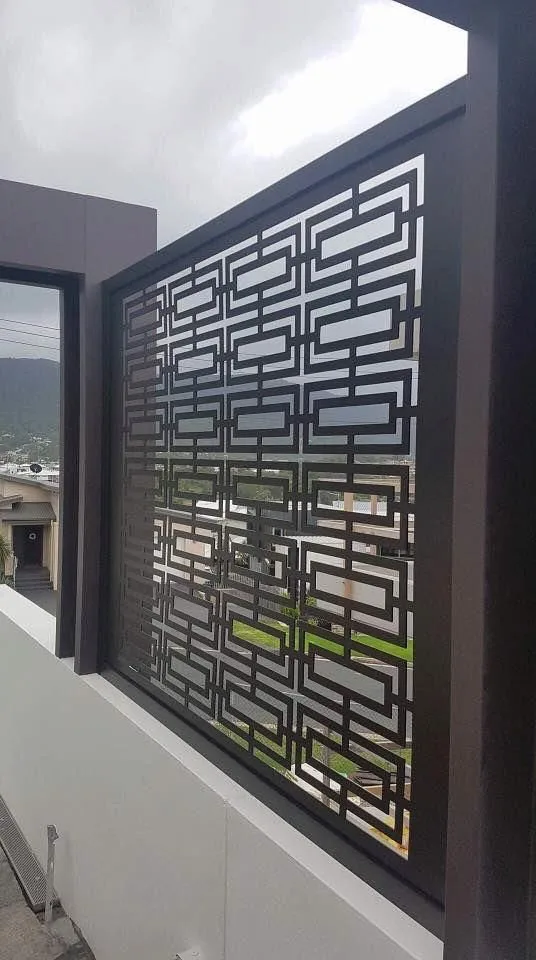
Design references from the supplied image collection and linked Pinterest sources. These images are not presented as completed HRM client projects. Final materials, dimensions and details are agreed for your site.
Send approximate dimensions, your site location, photos of the opening and a reference design or drawing. We then discuss material, finish, hardware and installation scope. Final site measurements are checked before fabrication.
How much will the work cost?+
The quotation depends on size, section and grade of metal, design complexity, hardware, surface finish and installation access. Ask for a written scope so material, transport, installation and any applicable taxes can be compared fairly.
Gate and railing maintenance starts with observing accessible surfaces and working parts. Use compatible cleaning methods and seek assessment for loose or unstable components.
Organising a practical metalwork care record starts with a clear brief and a realistic understanding of your space. The notes below bring together the decisions to discuss before approving drawings, materials and a quotation. Use them alongside the photographs and information higher on this page. You do not need to resolve every technical detail before making an enquiry; start with the information you have and identify what still needs checking. For custom work, a useful conversation connects the design you like with the conditions at the actual building.
Keep a useful item schedule
A useful maintenance record begins with the actual items on your property. List gates, railings, grills, frames and outdoor structures separately because their working parts and exposure differ.
For a project involving several components, create a short item schedule. Give every opening or object a reference, approximate size, quantity and location. Add the relevant design image beside each item, and mark decisions still awaiting confirmation. Keep repeated items grouped while identifying anything that differs. This makes it easier to check that the quotation, drawing and delivery describe the same scope. A schedule also helps when work happens in phases or when separate contractors are responsible for adjacent finishes. Update it when the brief changes so earlier assumptions do not become workshop instructions.
Read reference images carefully
Look for changes from normal condition, including sticking movement, loose connections and visible coating breaks. Photograph accessible areas to make later comparisons easier.
Choose a small set of references and annotate the details that matter. One image may show the right pattern while another explains the colour, proportions or overall level of openness. The selected details can be discussed together without assuming that every visible component is available or appropriate. The gallery contains design references from the supplied collection and linked sources, not verified completed HRM projects. Its purpose is to make the conversation more visual. Your final drawings, material descriptions and approved scope determine what is actually made for the site.
Specify the complete assembly
Identify the material and finish before selecting a cleaning product. A coating suitable for one item does not mean the same abrasive or chemical is appropriate elsewhere.
A useful material description connects the main frame, infill, hardware and finish. Broad phrases such as premium metal or heavy quality leave important differences unresolved. Ask which parts are included, how visible edges are treated and how the proposed finish relates to the exposure. If another supplier provides glass, stone, timber or electrical components, record that responsibility. Discuss substitutions before approving them so a change in one component does not create an unexpected change in another. Keep the agreed descriptions with the drawings rather than relying on colour or appearance alone.
Connect the brief to the actual site
Observe runoff, standing dirt and planting near metal bases from a safe position. Do not access roofs, exposed edges or unstable components just to complete a checklist.
Overall photographs and approximate dimensions are useful at the enquiry stage. Production information needs a clearer record of the opening, surrounding construction, finished levels and support conditions. Label each photograph so the project team can tell which item it describes. Mention narrow approaches, stairs, occupied rooms and any surfaces that need protecting. Tell us which dimensions are still affected by plaster, flooring or other unfinished work. This allows measurement and installation arrangements to be discussed around the actual site instead of assuming every visible opening is ready for fabrication.
Compare quotations on the same basis
Separate routine cleaning from repairs requiring assessment. A quote for repainting should not be treated as confirmation that damaged supports or weakened sections are sound.
Read the quotation as a description of work as well as a total. Check sizes, quantities, material descriptions, hardware, finishing, delivery and installation. Identify provisional items and exclusions so a lower figure is not mistaken for the same package. If you want to reduce the scope, discuss the practical effect of each alternative. Changes in pattern, finish or quantity should remain visible in the revised proposal. There is no universal catalogue price for custom work: the useful comparison is a clearly written scope for the same item at the same location.
Manage changes before fabrication
Coordinate repair access and protection of nearby surfaces. Work in occupied buildings may need temporary restrictions and the involvement of the relevant maintenance or project team.
Write down a requested change and identify which item it affects. Check whether it alters dimensions, material quantity, hardware, finish or installation arrangements. Confirm the revised drawing and quotation where needed before the instruction reaches production. Verbal conversations are easier to misunderstand when several people are involved. Keep the approved revision and remove superseded versions from the working set. This is especially useful where multiple openings look similar or several trades share the same area. The goal is a traceable project brief that remains understandable from first enquiry through to installation.
Plan for the years after installation
Keep dated photos, finish information and a short description of any problem. Recurring movement or corrosion at one detail deserves investigation rather than repeated concealment.
Keep the approved material and finish descriptions with the handover information. Ask for a cleaning approach suited to the actual surface and avoid assuming that one chemical or abrasive works on every item. Observe accessible fixings and working parts for changes in condition. Coating damage, rubbing, unusual resistance or looseness deserves attention before it develops further. Unstable components and work at height need suitable professional assessment and access. Routine cleaning should never become a reason to climb onto a structure or continue using an element that may be unsafe.
Prepare an enquiry for Udaipur or a nearby site
Contact the team with the item type, symptoms and safe close-up photographs. Describe the location and access so an appropriate assessment can be discussed.
HRM Industries is based in Eklingpura, Udaipur, Rajasthan, 313003. Projects within roughly 300 km are considered individually; share the exact location so travel, survey, transport and installation can be discussed. Nathdwara, Rajsamand, Mavli, Gogunda and Salumbar are examples of nearby enquiry areas, not separate branch offices. Road distance and the practical route may differ from a simple radius on a map. Confirm arrangements before expecting a visit or delivery. You can call +91 97996 47638 or email hrmindustries2026@gmail.com with your project details.